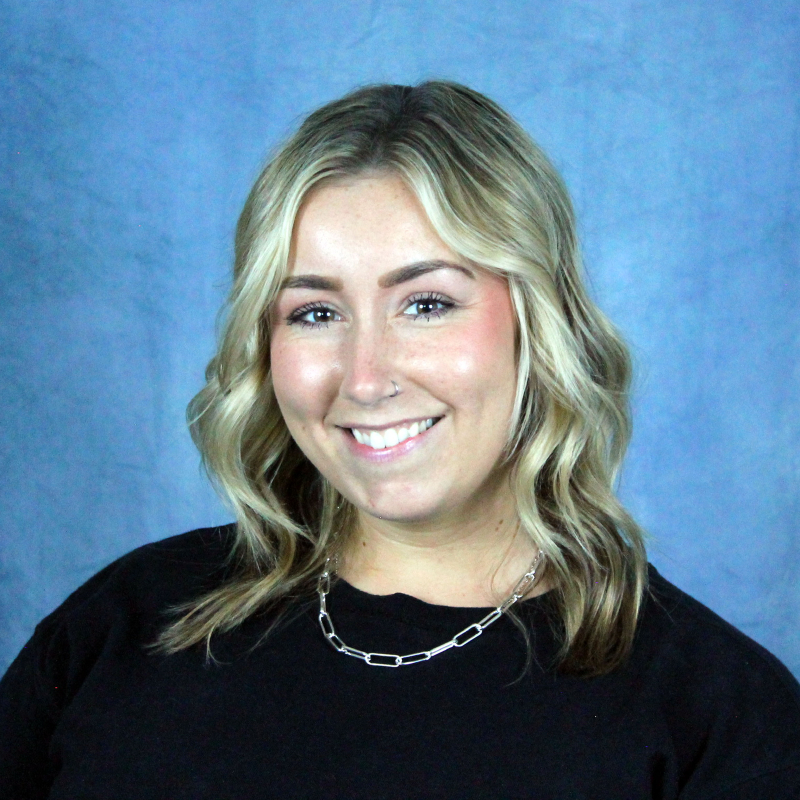
Kimberly Hoff, MA, LPC, NCC, is a Licensed Professional Counselor at Bucks Support Services seeing individuals in our Newtown, PA office as well as virtually in New Jersey. Kim graduated from Rider University’s Clinical Mental Health Counseling graduate program. During her time at Rider, she conducted research focusing on school counselors’ approaches to treating disordered eating and trauma. Kim also received her Bachelor of Arts degree in Clinical & Counseling Psychology from The College of New Jersey (TCNJ), where she also conducted extensive research into the intersection of trauma and eating disorders. Kim has published in the American Association of School Counselors magazine, and has facilitated presentations on eating disorders in university and high school settings. Kim also works as a trained facilitator with the National Alliance for Eating Disorders running virtual support groups for those struggling and their loved ones.
Kim’s therapeutic style is informed by her lived experiences of eating disorder recovery and as a member of the queer community. She strives to create an affirming, comfortable environment for each of her clients and empowers them to become their best selves. Kim views counseling as a collaborative process in which she assists clients in creating positive change and growth, while recognizing their personal strengths. Kim believes that the therapeutic relationship is the foundation of therapy. While providing empathy and tailoring treatment to her client’s needs, she utilizes theoretical backgrounds in Heath at Every Size (HAES), Person Centered Therapy, Dialectical Behavior Therapy (DBT) and a variety of trauma informed therapy’s including Eye Movement Desensitization & Reprocessing (EMDR). Kim’s background includes working with adults and adolescents struggling with mental health and substance use issues in residential, intensive outpatients and partial hospitalization programs.
Kim has a strong passion for helping individuals who may struggle with eating disorders, disordered eating and body image concerns, sexual/gender identity, and trauma. She believes that working through trauma can allow healing on a deeper level.